When people find out we eat Korean, Japanese, or Vietnamese food most nights of the week, the first question is always about the kids. "What do your kids think?" They like it, mostly. Not because they're unusual or adventurous — my younger one has strong opinions about everything and my older one went through a phase where the only acceptable dinner was buttered pasta. The difference is that we built the weekly plan around foods that work for them, not foods that require them to be adventurous.
The Gateway Dishes
There are Asian dishes that most kids who say they "don't like Asian food" will actually eat, because they hit the flavor profiles young palates are already comfortable with: mild, slightly sweet, familiar protein, served over rice or noodles. These are the entry points.
- Salmon teriyaki bowls: the teriyaki glaze is sweet and familiar, the salmon is mild, it's on rice. This was the first Asian dish both our kids ate without complaint.
- Garlic butter shrimp udon: tastes like buttery noodles with garlic. That's it. Kids don't register this as 'Asian food' — they register it as noodles.
- Egg fried rice: scrambled eggs and rice are foods kids already like. Put them together with garlic and soy sauce and most kids will eat it.
- Japanese curry: the S&B brand curry roux makes a mild, slightly sweet curry that most young kids take to immediately. Serve over rice, problem solved.
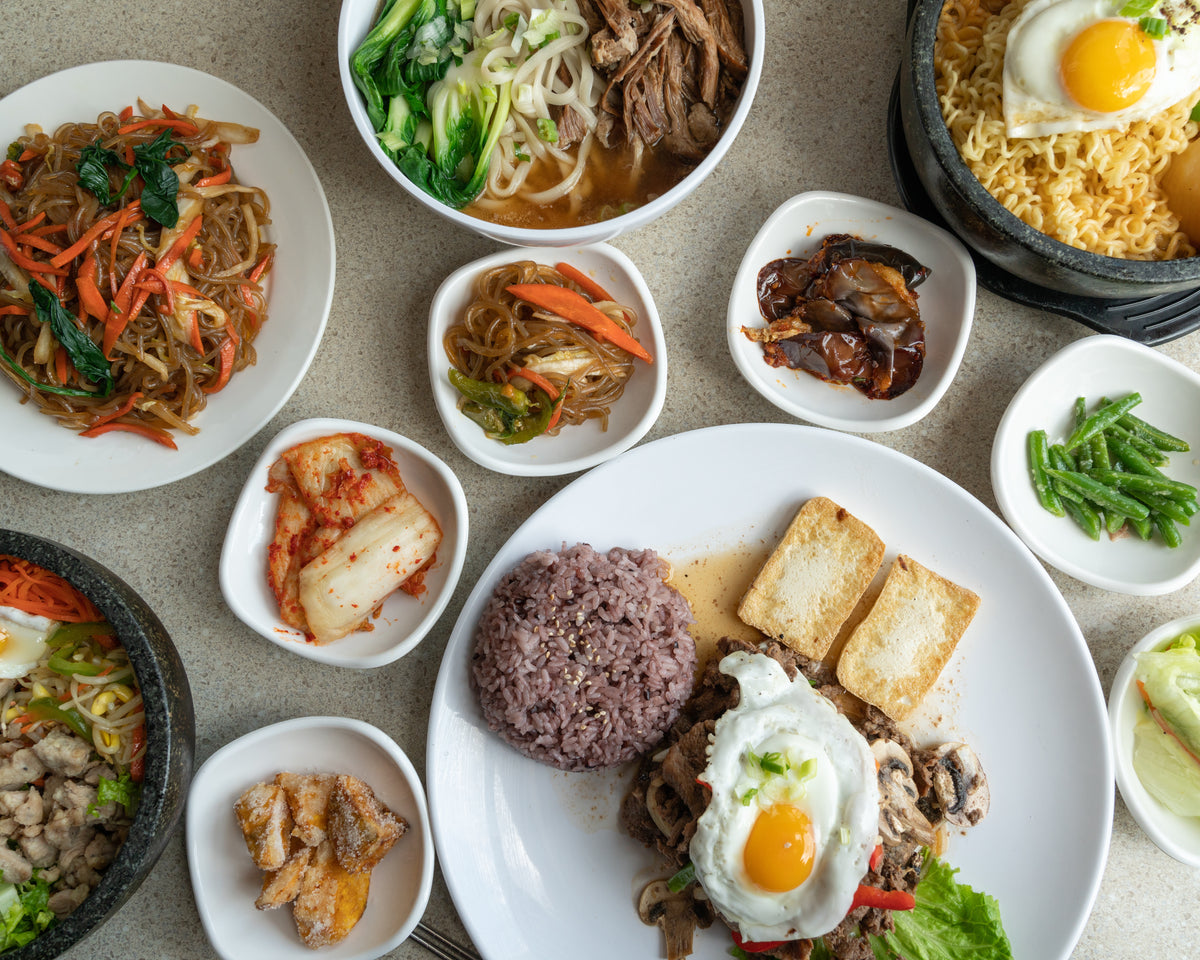
- Korean pork bulgogi: the marinade is sweet-savory. Picky kids who won't touch plain pork will often eat bulgogi over rice because the flavor reads as familiar.
What Makes It Sustainable
The pantry. If you have to start from scratch every time you make these dishes — hunting for the right soy sauce, realizing you're out of sesame oil, substituting fish sauce with something that isn't fish sauce — you'll cook them once and default back to pasta. The foundation is keeping an Asian pantry stocked.
- Soy sauce (Japanese soy, not just Kikkoman — though Kikkoman is fine for most things)
- Sesame oil — a small amount finishes almost any Asian dish
- Fish sauce — one bottle lasts months, adds depth to anything
- Gochugaru (Korean chili flakes) — for bulgogi, bibimbap, anything Korean
- Mirin — sweet Japanese rice wine, used in teriyaki and many glazes
- Rice vinegar — for dressings, pickled vegetables, ponzu
- Dashi powder — instant Japanese soup base, a shortcut that tastes real
The Asian pantry investment is a one-time thing. Once you have these, you're not buying them every week — you're replenishing occasionally. The upfront cost is maybe $45 at an Asian grocery. After that, your weekly ingredient spend goes down because the flavor is in your pantry, not in expensive prepared sauces.
The Sequence That Works for Weeknights
These dishes work on weeknights because they share infrastructure: rice, a protein, a sauce. If you cook rice Sunday and marinate your protein Sunday night, the weeknight cook is sear protein + plate over rice + add sauce. That's 15–25 minutes regardless of whether the dish is Japanese, Korean, or Vietnamese.
The mistake people make is treating each cuisine as its own complicated project requiring research and special equipment. It's not. Salmon teriyaki and pork bulgogi and garlic shrimp udon are all variations on the same weeknight pattern: good protein + good sauce + rice or noodles. Once you understand the pattern, the cuisine variety is almost free.
On the Kids
Neither of my children will tell you they like Asian food. They have no idea that's what they've been eating four nights a week for two years. They know they like 'the salmon bowl,' 'the noodle thing with the garlic butter,' and 'that rice with the eggs.' Those are all Asian dishes. The label was never the issue.
Try Pannary free
Let AI handle the planning.
Pannary builds your family's 5-night dinner plan around your pantry, your picky eaters, and your stores — with a Sunday prep list included.
Get your first plan free →Free tier forever · Takes 2 minutes